Greywater — the relatively lightly contaminated wastewater generated by household sinks, showers, bathtubs, and laundry (but not toilets or kitchen sinks, which are classified as blackwater) — represents a significant fraction of residential water consumption. Reusing this water for applications such as toilet flushing or subsurface garden irrigation can materially reduce demand on municipal potable water supply. However, greywater carries a different risk profile from rainwater: it contains pathogens, detergents, personal care product residues, and varying concentrations of nutrients and suspended solids, all of which require managed treatment before reuse.
What Counts as Greywater
Canadian provincial plumbing codes and environmental regulations consistently exclude kitchen sink and dishwasher effluent from greywater definitions, classifying it instead as blackwater due to its high organic load, grease content, and food particle contamination. Laundry water occupies a middle ground: some jurisdictions permit it within greywater systems when pre-screened and treated; others require it to drain to the sewer regardless.
The most consistently permitted greywater sources across Canadian provinces are shower and bathtub effluent and bathroom sink effluent. These streams have lower pathogen loads and are more amenable to the treatment processes available in residential systems.
Treatment Train Requirements
The treatment sequence required before greywater can be reused depends directly on the intended end use. Canadian environmental health guidance distinguishes broadly between:
- Subsurface irrigation — where treated greywater is delivered below the soil surface, minimizing human contact risk. This is the least treatment-intensive permitted use in most provinces.
- Surface irrigation of non-edible plants — requires more substantial treatment than subsurface delivery due to spray and contact risk.
- Toilet flushing — requires treatment to a level that prevents odour, biological growth in storage tanks, and aerosolization risk during flushing.
- Laundry use — permitted in very few Canadian jurisdictions and requires treatment equivalent to or exceeding that required for toilet flushing.
A typical residential treatment train for toilet flushing reuse includes: primary screening (coarse mesh to remove hair and lint), gravity settlement in a surge tank, biological treatment (typically a trickling biofilm filter or constructed wetland), and disinfection (most commonly UV treatment with a flow sensor).
No single treatment step removes all risk categories simultaneously. Effective greywater management combines physical screening, biological degradation, and disinfection in sequence — removing different contaminant types at each stage.
Physical Filtration
Physical filtration in residential greywater systems serves two purposes: protecting downstream biological treatment components from clogging, and reducing total suspended solids (TSS) to levels manageable by biological treatment. Common physical filtration components include:
- Hair and lint traps at source fixtures, often integrated into drain fittings
- 1 to 3 mm aperture primary screens at the treatment system inlet
- Settling chambers or surge tanks with calmed-flow inlets to allow heavier particulates to settle
- Sand or granular media filters as tertiary polishing stages in systems designed for higher end-use quality
Sand filter design for greywater — specifying grain size, bed depth, and hydraulic loading rate — follows principles developed for wastewater treatment, scaled to residential flow rates. Natural Resources Canada and several provincial environment ministries reference CSA and NSF International standards in their technical guidance documents.
Biological Treatment
The organic load in greywater is substantially lower than in blackwater but high enough that untreated storage leads to rapid anaerobic decomposition, generating hydrogen sulphide odour and creating conditions that support pathogen growth. Biological treatment degrades this organic fraction before the water enters the storage and distribution portion of the system.
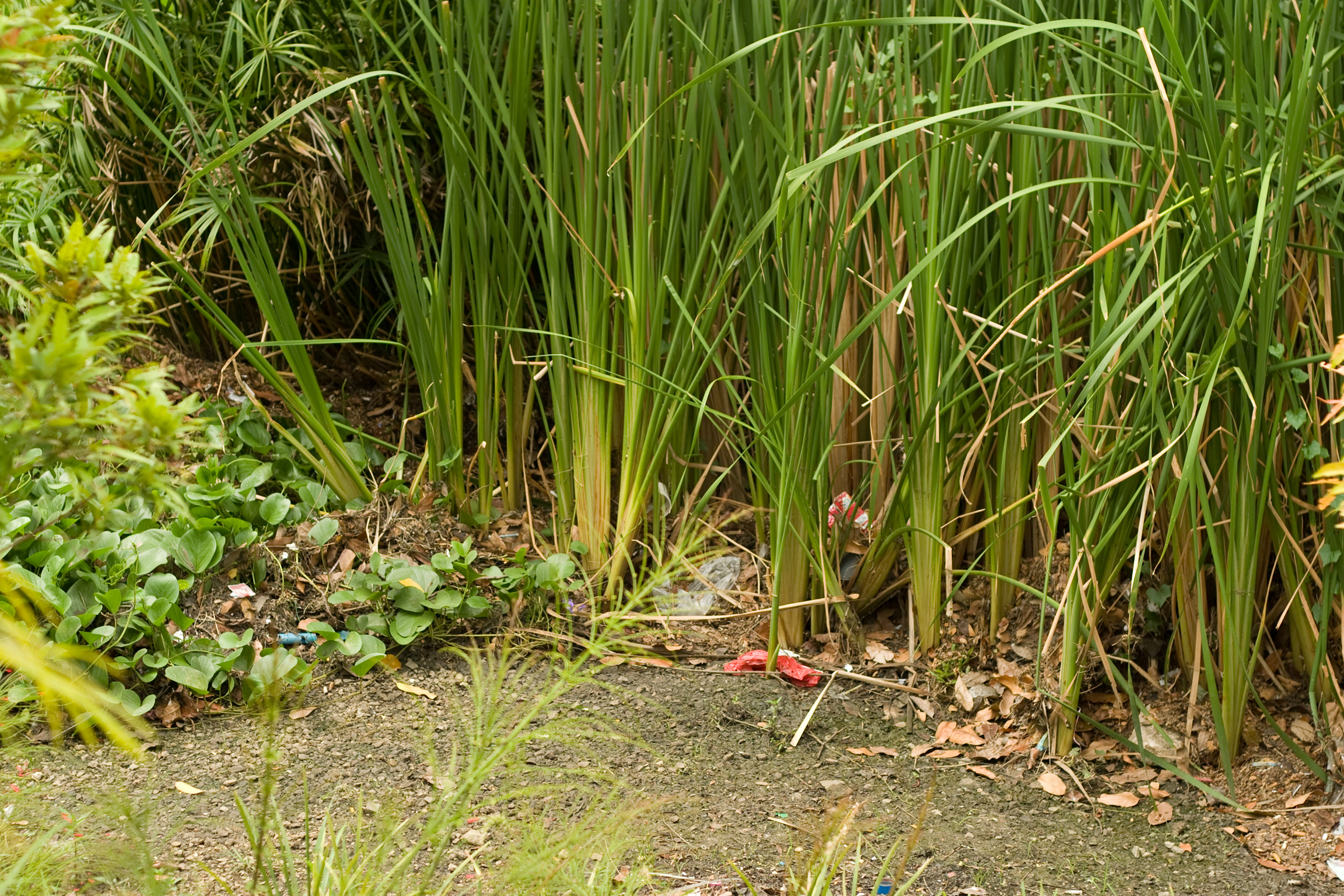
Constructed subsurface wetlands — planted beds of gravel, sand, or other media through which greywater percolates — are a low-maintenance biological treatment option used in rural and suburban installations where space permits. In urban settings, compact biofilm reactor units (sometimes marketed under trade names, though functionality follows standard fixed-film biological treatment principles) are available in configurations suited to residential installation inside mechanical rooms.
Disinfection Standards
For reuse in any application involving human contact or indoor air exposure — including toilet flushing — treated greywater must meet a disinfection standard prior to use. UV disinfection is the preferred method in Canadian residential practice due to its absence of chemical residue and its effectiveness against a broad spectrum of bacterial and viral pathogens.
Systems must be sized to provide an adequate UV dose (typically expressed as mJ/cm²) at the maximum design flow rate, with a contact chamber and flow sensor that prevents distribution of water that has not passed through the active UV zone. Health Canada's drinking water guidelines, while written for potable water, are often referenced as a baseline in provincial guidance for non-potable indoor reuse water quality.
Provincial Regulatory Comparison
The regulatory landscape for greywater reuse across Canada is fragmented. Unlike Australia or some US states which have developed dedicated grey water guidelines at the state or national level, Canada has approached the issue primarily through amendments to provincial building and plumbing codes, with some provinces leaving the matter to municipal discretion.
| Province | Subsurface Irrigation | Toilet Flushing | Regulatory Basis |
|---|---|---|---|
| British Columbia | Permitted with treatment | Permitted under BC Building Code (non-potable water systems provisions) | BC Building Code, Part 7 |
| Ontario | Permitted with treatment in most municipalities | Requires permit; addressed under Ontario Building Code | Ontario Building Code, Division B |
| Alberta | Not explicitly addressed provincially; municipal variance required | Not generally permitted without specific variance | Municipal bylaws; Public Health Act |
| Manitoba | Limited provisions; addressed through Manitoba Onsite Wastewater Management System Regulation | Not addressed | Onsite Wastewater Regulation |
| Nova Scotia | On-lot disposal provisions may accommodate treated greywater | Not addressed | On-site Sewage Disposal Regulation |
Maintenance and Health Considerations
Greywater systems require more intensive ongoing maintenance than rainwater barrel systems. Screens and filters must be cleaned regularly — daily in high-use households, weekly at a minimum — to prevent clogging and the anaerobic conditions that result from organic material sitting in wet, enclosed spaces. UV lamps have finite service lives (typically 9,000 to 12,000 hours of operating time) and must be replaced on schedule. Surge tanks must be inspected for sediment accumulation and biological fouling annually.
Storage of treated greywater for extended periods is generally discouraged in regulatory guidance. Most provincial health authorities recommend a maximum storage duration of 24 hours for treated greywater before use, recognizing that even treated water will begin to degrade biologically if held. Systems that incorporate storage therefore typically include a bypass valve that routes water directly to the sanitary sewer if demand is insufficient to draw down the storage tank within the recommended period.
The Canadian Water and Wastewater Association (CWWA) and the Water Environment Association of Ontario (WEAO) both publish technical resources on distributed water management including greywater reuse. Provincial environment ministry websites are the primary source of current, jurisdiction-specific regulatory requirements and should be consulted before any installation.